Fact statements
October 6, 2026MSF calls for the release of Palestinian medical personnel
Dr Javid Abdelmoneim, International President of Médecins Sans Frontières (MSF):
Dr Javid Abdelmoneim, International President of Médecins Sans Frontières (MSF):
More than 1,700 healthcare workers have been killed during the genocide in Gaza
MSF calls for the release of Palestinian medical personnel detained in Israel ahead of the World Medical Association General Assembly in Rotterdam
By Dr Javid Abdelmoneim, International President of Médecins Sans Frontières (MSF)
6 October 2026
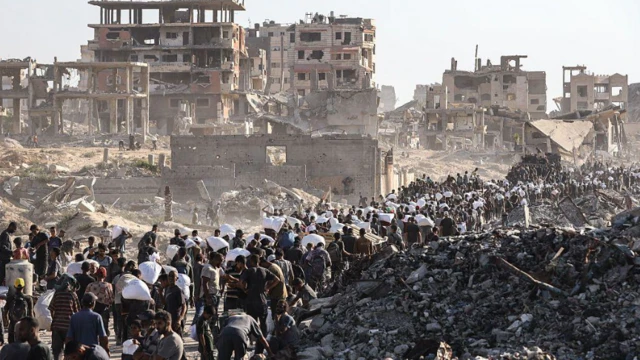
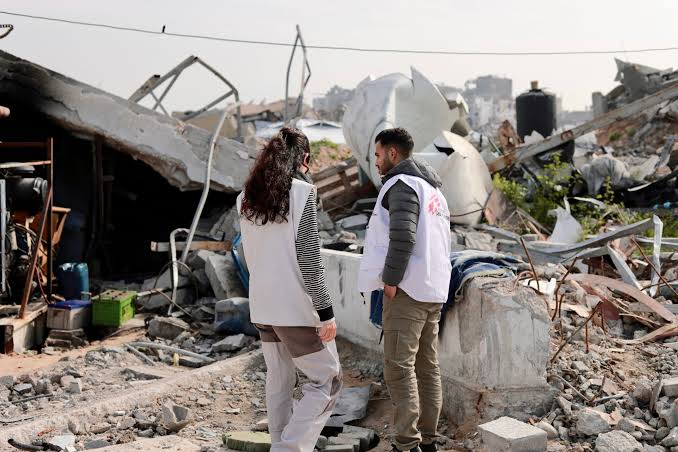
More than 1,700 healthcare workers have been killed during the genocide in Gaza, while hundreds of others have been detained by Israel without charge. Doctors, nurses and paramedics who remained at their posts to treat the wounded have themselves become victims of this war.
When medical workers are killed, imprisoned or disappear, healthcare professionals are not the only ones who pay the price: patients lose the people they depend on to stay alive.
When delegates gather in Rotterdam next week for the World Medical Association (WMA) General Assembly, one issue will be impossible to avoid: the fate of their Palestinian colleagues. This is not merely a matter for discussion, but a test of whether the global body responsible for medical ethics remains committed in practice to its stated principles.
The WMA has already acknowledged the gravity of these issues by adopting its resolution on protecting healthcare in conflict. This was an important step and a welcome reaffirmation of the principles of medical neutrality. The challenge now is to ensure that it is followed by clear commitments from all medical associations to explicitly support the resolution and use their influence to press governments to act.
If the WMA General Assembly needs one face to embody this issue, it could be that of Dr Hussam Abu Safiya, a paediatrician and director of Kamal Adwan Hospital in northern Gaza—the last functioning hospital in the north until Israeli forces raided it in December 2024.
Abu Safiya has been held for more than 18 months without charge under Israel’s Unlawful Combatants Law, which permits indefinite detention. He continues to endure prolonged solitary confinement, severe weight loss and untreated pre-existing medical conditions. People from 41 countries have signed an international petition calling for his release.
Also detained is Dr Mazen al-Rantisi, a 71-year-old family physician from Ramallah, known as the “doctor of the poor”, who was arrested during a pre-dawn raid on his home in June 2026.
Our longstanding MSF colleague, Dr Mohammed Hassan Ali Obeid, a prominent Palestinian orthopaedic surgeon aged 43 and a father of three, has also been detained under Israel’s Unlawful Combatants Law for more than 600 days without any charges.
They are not alone. More than 80 healthcare workers remain in Israeli detention, including at least 14 doctors from Gaza held without charge, alongside doctors recently arrested in the West Bank.
MSF considers Israel’s arbitrary detention, torture and ill-treatment of Palestinian medical personnel in Israel to be part of a deliberate and systematic effort to dismantle Palestinians’ capacity to provide healthcare.
This is evident in Israel’s destruction of Gaza’s health system, as well as its deliberate weakening of healthcare in the West Bank through financial pressure, obstruction, staffing shortages and restrictions on movement. MSF considers this consistent with what it describes as Israel’s clear and blatant disregard for Palestinian lives.
The General Assembly should speak clearly about what is happening.
It must publicly call for the release of detained Palestinian doctors, including Dr Hussam Abu Safiya, Dr Mazen al-Rantisi and Dr Mohammed Obeid.
It should also press for independent access to those who remain in detention and support independent investigations into attacks on healthcare in Gaza and the West Bank, with the findings made public regardless of their conclusions.
The World Health Organization (WHO) has recorded more than 790 attacks on healthcare, affecting 125 health facilities, including 34 hospitals.
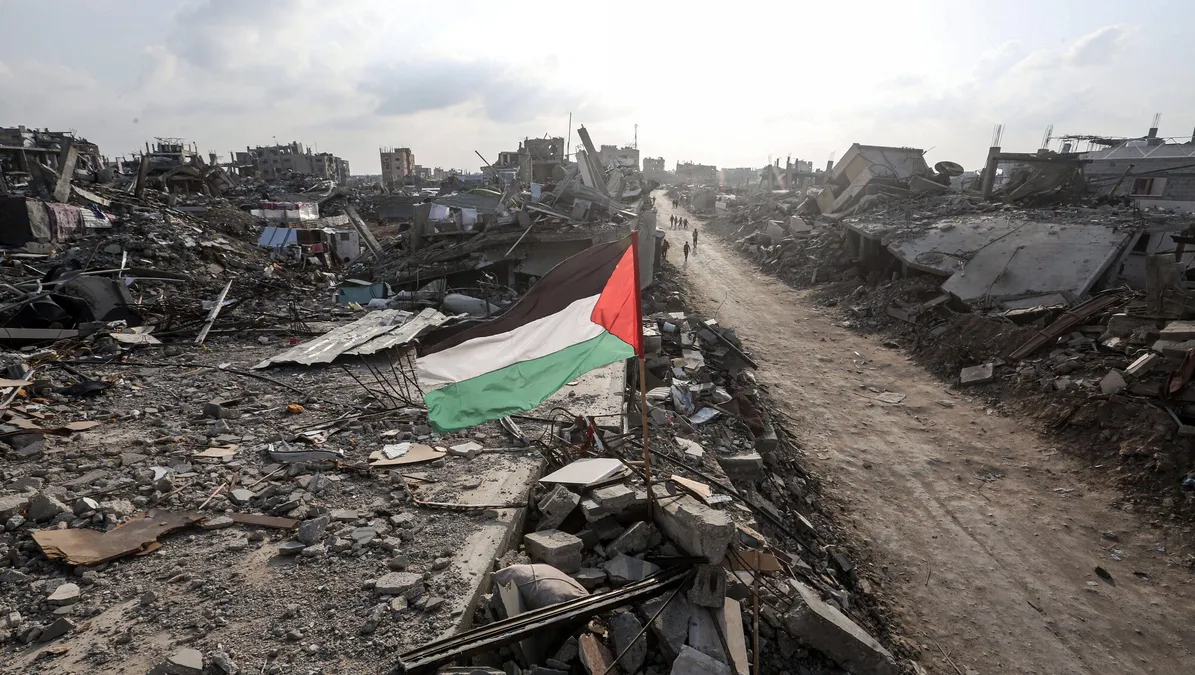
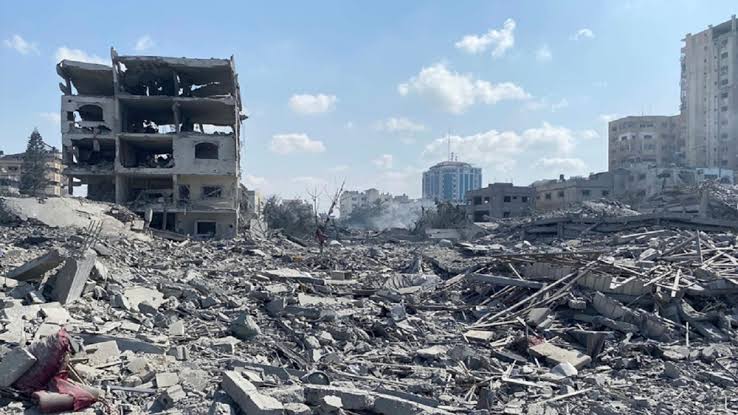
Approximately 90 per cent of Gaza’s healthcare infrastructure has been destroyed or damaged. In August 2025, UN experts stated that the systematic destruction of the health system amounted to what they termed “medicide”.
Among the hundreds of medical workers detained by Israel since 7 October 2023, some have been held for more than 600 days in inhumane conditions, including, in certain documented cases, treatment consistent with torture.
This is not confined to Gaza.
In the West Bank, where there is no wartime emergency to use as cover, WHO documented 98 attacks on healthcare in the first seven months of 2026 alone, alongside 87 deaths and more than 1,600 injuries.
Ambulances are stopped at checkpoints and their crews detained. Paramedics attempting to reach people injured in settler attacks are also obstructed.
Patients requiring dialysis and cancer treatment remain at home because checkpoints make the journey to treatment impossible.
Healthcare workers have also been shot, arrested and killed during raids.
This moment offers an opportunity to exert collective pressure on fellow medical associations, political authorities and any other relevant actors to take practical action.
The WMA should join calls for prompt, transparent and impartial investigations into attacks on healthcare in Gaza and the West Bank, while renewing its call for the release of all arbitrarily detained healthcare workers.
Healthcare workers are not targets.
Either the white coat deserves protection everywhere, or it is protected nowhere.
The test lies not merely in affirming these principles, but in upholding them when they truly need defending.
What lies before the Rotterdam Assembly is a duty.
A duty to reaffirm—loudly, institutionally and globally—the WMA’s founding principle: that membership carries an ethical responsibility that does not change with geography or alliances, and that this responsibility must apply to all members without exception.