Fact statements
November 12, 2026Attacks on healthcare
Deadly Israeli attack on healthcare as Gaza’s health needs remain immense
WHO: Another deadly Israeli attack on healthcare as Gaza’s health needs remain immense
Fifty-three countries and organizations have called on the incoming Israeli government to allow rapid and unhindered humanitarian access throughout the Gaza Strip, through all available crossings and land routes.
12 November 2026
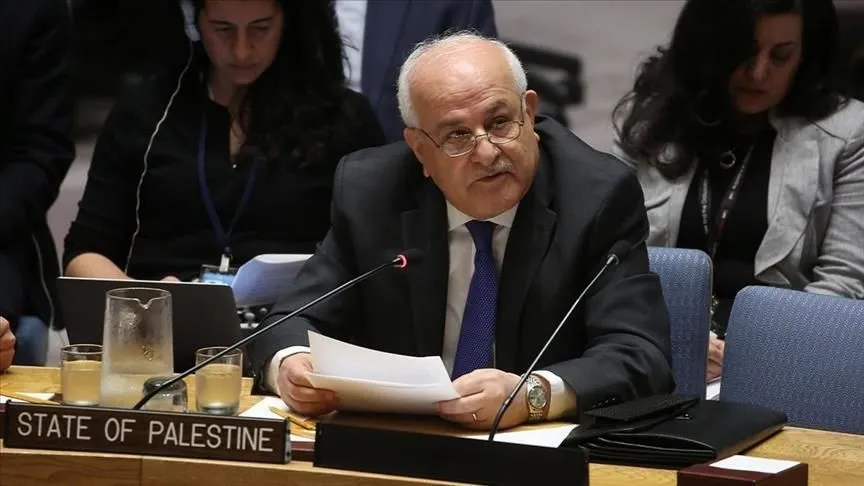
The call came in a statement read by the United Kingdom’s Permanent Representative to the United Nations, Sarah MacIntosh, on behalf of the countries and organizations that have joined a call to action, led by the United Kingdom, Qatar and Jordan, on health and humanitarian access in the Gaza Strip.
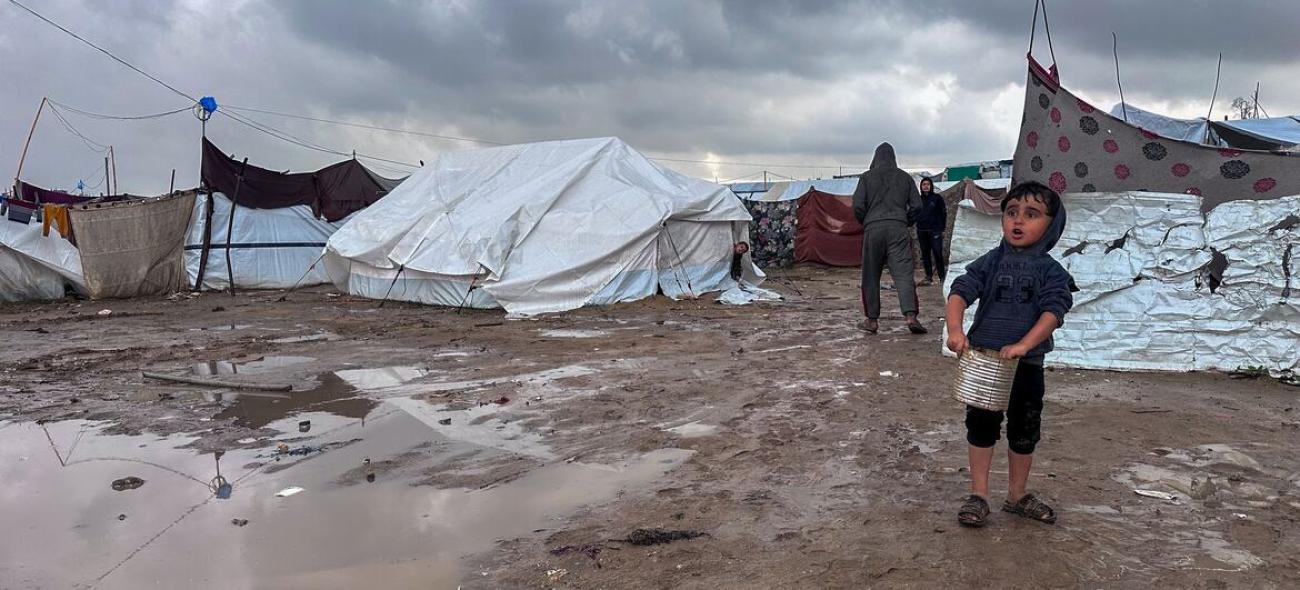
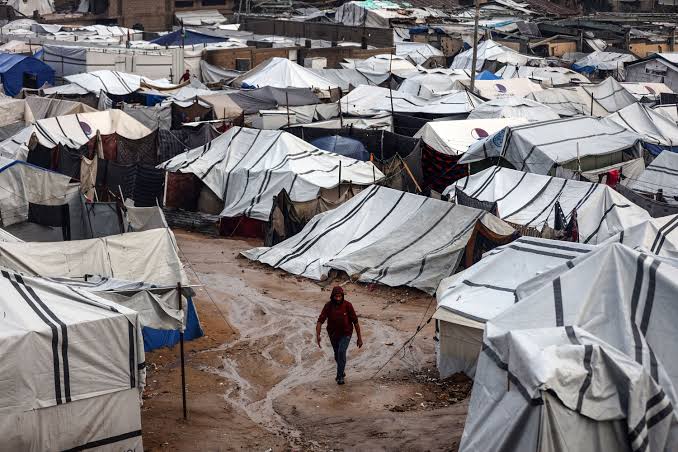
Speaking to reporters outside the UN Security Council chamber, MacIntosh said: “As winter approaches, far too many people in Gaza still lack adequate shelter, exposing them to the risk of hypothermia, respiratory infections, waterborne diseases and other preventable illnesses.”
She warned that restrictions on the entry of essential shelter materials and other life-saving supplies are hampering humanitarian organizations’ ability to respond at the scale required.
Standing alongside representatives of the countries participating in the statement, MacIntosh said: “The comprehensive peace plan, endorsed by Security Council resolution 2803, provides for the immediate entry of full humanitarian aid into Gaza, at levels no lower than those agreed on 19 January 2025. This has yet to be achieved.”
Supporting humanitarian efforts in Gaza
The appeal by the 53 countries and organizations included the following demands:
- Ensure the full and sustained operation of the Egyptian and Jordanian humanitarian corridors.
- Approve the entry of additional essential materials, including those classified as “dual-use,” particularly supplies related to shelter, fuel, water, sanitation and health, to prevent further deterioration in public health.
- Restore the medical referral pathway to hospitals in East Jerusalem and the West Bank for sick and injured patients whose conditions cannot be adequately treated inside Gaza.
- Ensure the protection of healthcare workers, health facilities and medical transport.
- Protect notified humanitarian sites and ensure the safety of humanitarian personnel, civilians and infrastructure.
- Launch prompt and transparent criminal investigations into attacks targeting healthcare and humanitarian workers.
- Allow high-level international delegations and journalists access to the Gaza Strip.
The British ambassador affirmed that “the countries gathered here are committed to supporting humanitarian efforts in Gaza by assisting with urgent winter preparations.”
She also reaffirmed the vital role of the United Nations and its agencies, the International Federation of Red Cross and Red Crescent Societies, and other impartial international humanitarian organizations in delivering humanitarian assistance, as stipulated in Security Council resolution 2803.
Strike on Nasser Medical Complex
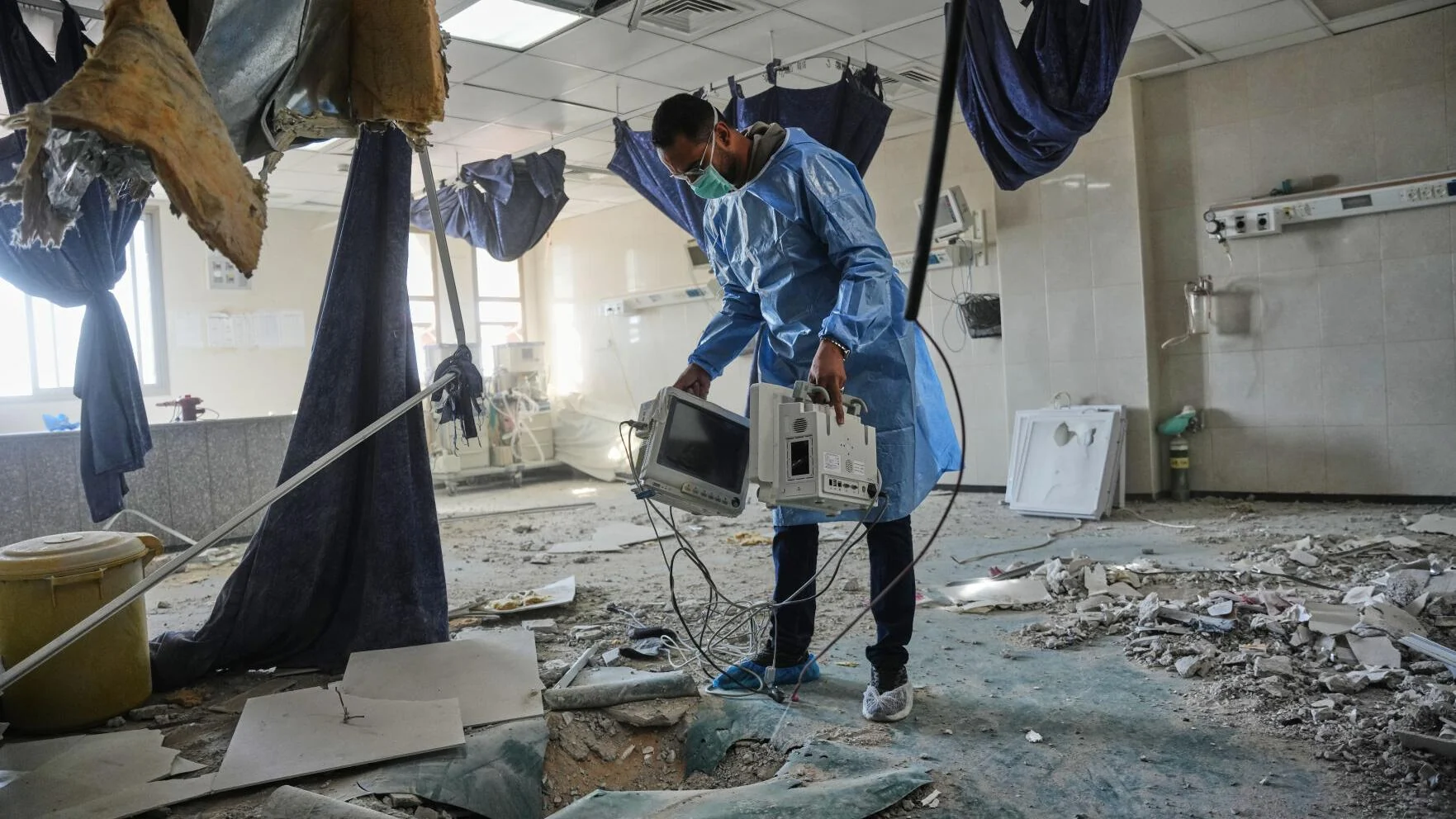
The World Health Organization said that the surgical department at Nasser Medical Complex was struck in the early hours of Thursday, 12 November, killing six people — including a healthcare worker, patients and accompanying family members — and injuring at least 27 others.
The organization said reports indicated extensive damage to the surgical department, describing the strike as another deadly attack on healthcare in Gaza.
WHO said other floors of the hospital were reportedly damaged, including operating theatres, the recovery unit and the intensive care unit, adding that assessments of the full extent of the damage were still underway.
It recalled that, since October 2023, it had documented 1,056 attacks on healthcare facilities in Gaza, resulting in 1,010 deaths and 1,725 injuries.
Immense needs
The organization warned that health needs in Gaza remain immense and are expected to increase with the onset of winter.
It reiterated its call for unhindered humanitarian access and for the entry of more medical and humanitarian supplies into the Gaza Strip.
WHO Director-General Dr Tedros Adhanom Ghebreyesus stressed that Gaza’s health facilities are a lifeline for the population and must be protected. They must never be used for military purposes or attacked. He emphasized that peace is the best medicine.
Grave concern
The Acting UN Special Coordinator for the Middle East Peace Process, Ramiz Alakbarov, expressed grave concern over the Israeli airstrike on Nasser Medical Complex.
Alakbarov recalled that, under international humanitarian law, all parties have an obligation to protect and respect medical personnel and health facilities, including hospitals, which must not be targeted or used for military purposes.
He noted that continuing violence and the recent escalation in military operations are exacerbating Gaza’s immense humanitarian suffering and threatening an increasingly fragile ceasefire agreement.
He renewed his call for rapid, safe and unhindered humanitarian access, including the entry of durable shelter materials and winter supplies, to alleviate people’s suffering as the colder months approach.
A separate incident
UN Deputy Spokesperson Farhan Haq said a separate strike occurred near UN premises in Deir al-Balah, where UN personnel were present, adding that all staff had been accounted for and were safe.
Meanwhile, the UN Office for the Coordination of Humanitarian Affairs (OCHA) reported that the United Nations and its partners continue to respond to the aftermath of the storms and heavy rainfall that hit Gaza the previous weekend.
As of Friday, UN partners had provided tents, plastic sheeting, blankets and other essential supplies to approximately 1,800 families — roughly one-third of the 5,200 families whose urgent needs had been assessed.
Partners also worked to drain standing water and clear drainage channels and affected areas. However, this marks only the beginning of the rainy season, which is expected to continue for several months.
Across the Gaza Strip, families face the risk of exposure to stagnant water contaminated with sewage from damaged wastewater networks in displacement sites and low-lying areas.
OCHA warned that the available water pumps, sandbags and other materials and equipment are insufficient to meet all needs.
OCHA: Essential laboratory supplies and medical equipment continue to be denied entry, hampering the early detection of and response to disease outbreaks — a risk that increases significantly during winter.
End