Fact statements
September 3, 2026World Food Programme Palestinians Are Still Struggling to Survive
Two-Thirds of Gaza’s Population Still Face Critical and Emergency Levels of Hunger
Two-Thirds of Gaza’s Population Still Face Critical and Emergency Levels of Hunger
World Food Programme
Palestinians Are Still Struggling to Survive
1 September 2026 - Fact sheet
The World Food Programme announced that it had been forced to cut its assistance to families in the West Bank by half due to funding shortages, leaving around 200,000 people without assistance, even though needs have more than doubled over the past two years
WFP Country Director in Palestine Sean Hughes, speaking to journalists in Geneva via video link
The escalation in settler violence and Israeli military operations since October 2023, combined with a suffocating economic crisis, is “pushing people to the brink,” as unemployment has more than doubled while one-third of the population struggles to meet basic needs.
“Food may be available in the market, but people simply cannot afford to buy it. During my recent visits to the West Bank, I saw families who had once been thriving and earning their livelihoods from their land but who have now been forced from their homes and had their livelihoods destroyed. They are now caught in a stranglehold, unable to move freely to access land or job opportunities, and therefore unable to provide food for their families. They are facing unbelievable injustice and suffering”
The West Bank has not traditionally been considered a food crisis, but mounting pressures are driving worsening food insecurity.
The extremely modest cash transfers provided by WFP — around 50 shekels per person per month, less than $20 — have become a “real lifeline” for many people, but will now be cut because of funding shortages
In Gaza: “Do Not Look Away”
WFP Country Director in Palestine Sean Hughes
In Gaza, the programme was also forced to reduce cash assistance to 75,000 families in July
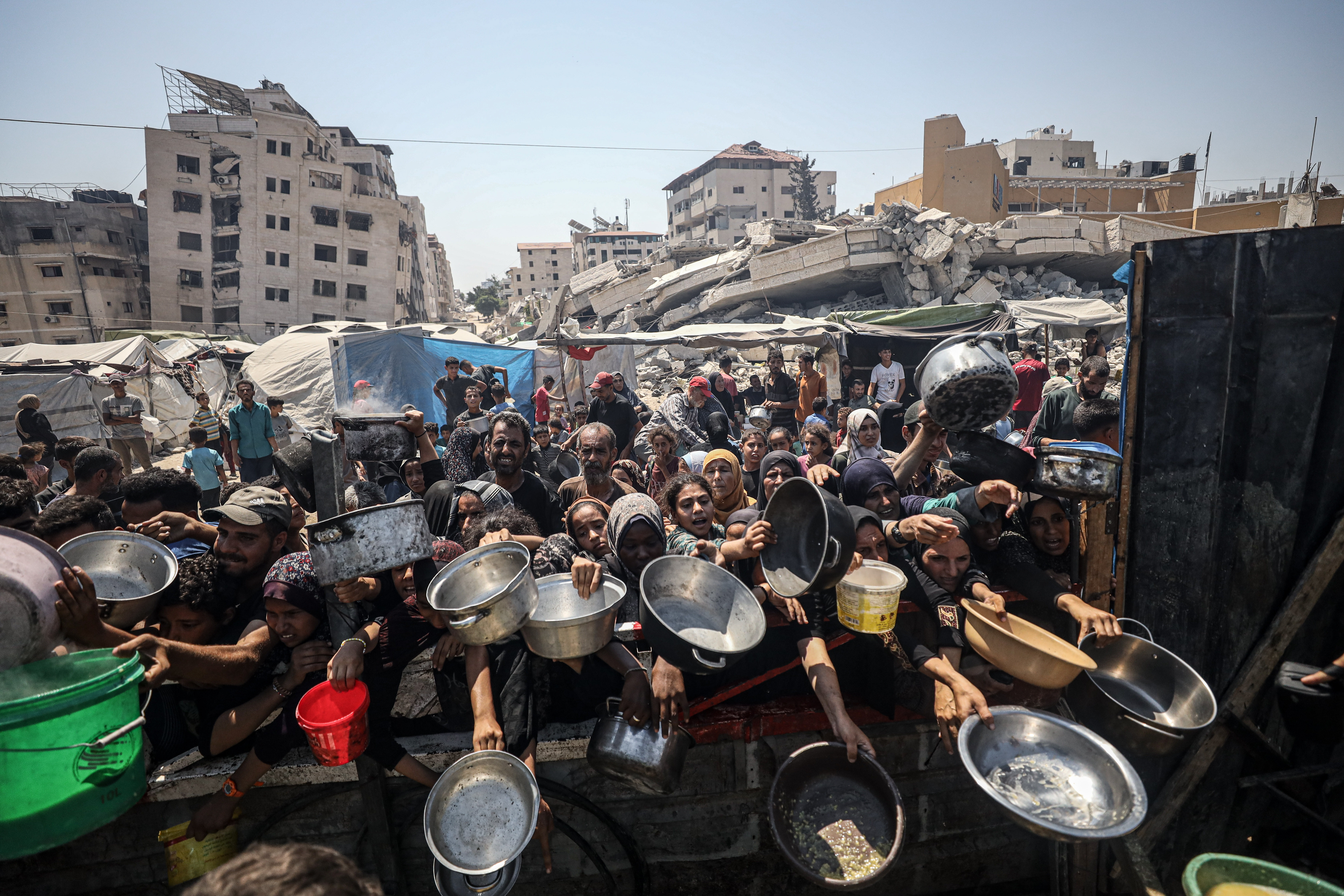
The slight recent improvements in food-security indicators, announced last month, “should not create a false sense of security,” as two-thirds of Gaza’s population still face critical and emergency levels of hunger
If humanitarian food assistance does not continue, “up to 90% of the population could face high levels of acute food insecurity by the end of this year”
The programme needs $386 million to avoid any further reductions in assistance across Gaza and the West Bank over the next six months
“With global crises multiplying and domestic financial priorities taking precedence, there is a real risk that the world’s attention will turn away from Palestine. But the needs of Palestinians, in both the West Bank and Gaza, have not changed. They are still struggling to survive amid harsh conditions and unbelievable injustice. They need the solidarity of the international community to allocate the resources necessary to sustain the humanitarian response, protect and rebuild their livelihoods, while at the same time working toward peace and stability. This is not the time to look away”
A Looming Health Crisis
Dr. Renée Van de Weerdt, World Health Organization Representative in the occupied Palestinian territory, speaking from inside the Gaza Strip
She expressed concern over the security situation as airstrikes continue despite the ceasefire
An airstrike took place the previous day near where she was staying in Gaza City, killing several people, while strikes continued as she spoke to journalists
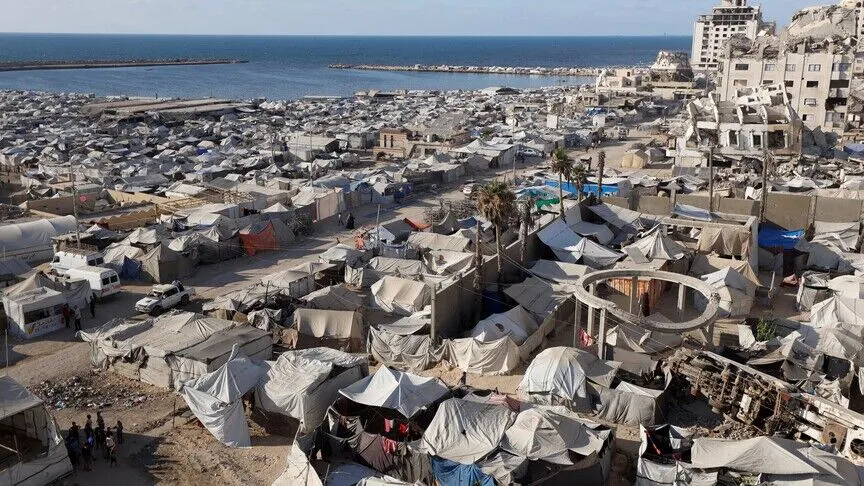
On her sixth visit to the Strip, Dr. Van de Weerdt described a bleak picture, saying she saw “endless piles of rubble” and “crowded, fragile tents” reaching the waters along Gaza’s coastline
She highlighted Gaza’s catastrophic water situation, noting that water trucking is normally used in the immediate aftermath of disasters and emergencies. She added that it is “completely unacceptable that in Gaza, nearly three years later, these trucks are still the lifeline on which most Gazans depend
She stressed that what is deeply concerning is not only the quantity of water reaching the population, but also its quality. She said microbiological contamination had almost tripled since the beginning of the year, based on Gaza’s extremely limited testing capacity
“Laboratory capacity in Gaza remains extremely limited. We can therefore only detect and monitor basic microbiological contaminants. We do not have the capacity to detect other pollutants that may be present in the water and the environment”
The number of cases of acute watery diarrhoea nearly doubled, from around 30,000 cases in March to more than 58,000 cases in August. Water and sanitation conditions are likely to worsen during the winter months, as sewage can be seen and smelled flowing throughout densely populated areas
“I do not think you need to be a public-health expert or an epidemiologist like me to understand what lies ahead. Flooding in these overcrowded areas will spread sewage, waste and contaminated water into the places where people sleep, cook and care for their loved ones. Standing water will also create breeding grounds for mosquitoes and other pests. Tents will become damp and mouldy, increasing the risk of many illnesses, including respiratory diseases, especially among very young children.”
Medical Care Has Improved, But
The WHO Representative noted a noticeable improvement in medical and clinical care in Gaza, but said this progress “has not been fast enough, nor has it been equal”
More than 6,600 people require long-term care following limb amputations, yet no prosthetic limbs — which would “enable people, including many children, to walk and live with some measure of dignity” — have entered Gaza since May 2024
By July, prosthetic limbs had been fitted for only 12% of people who had lost limbs since October 2023
Dr. Van de Weerdt stressed the need to protect Gaza’s fragile health gains and prevent disease outbreaks “at all costs”
She called for the rapid and unhindered entry of humanitarian supplies, including durable shelter, medical supplies, laboratory materials and prosthetic limbs, as well as reliable access to clean water and proper waste management
“We know what is coming, but we still have enough time to prevent a public-health catastrophe within this catastrophe.”
The End